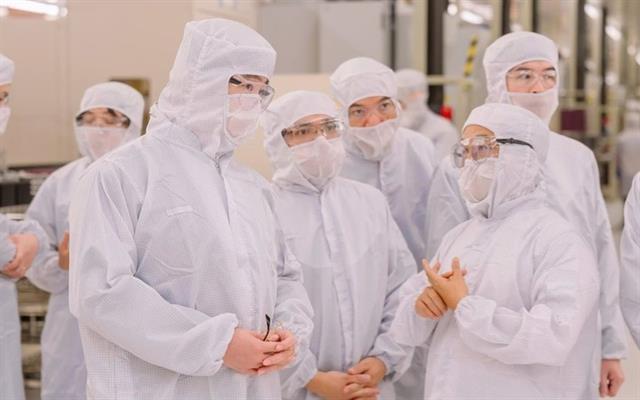
The Government is seeking stronger domestic supply chains as Việt Nam’s electronics and semiconductor exports grow rapidly, but imports continue to outpace exports.
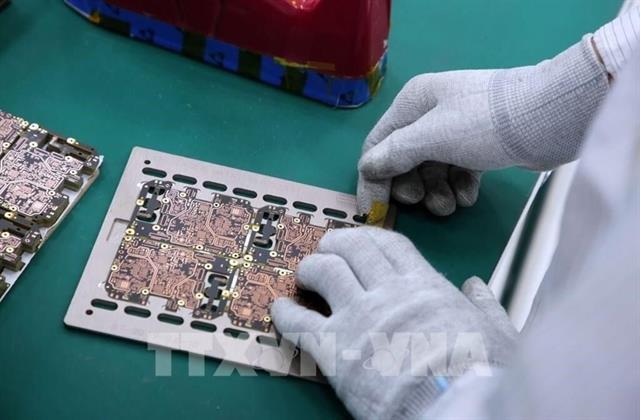
In the late 1970s and early 1980s, the Ministry of National Defence’s Z181 Factory produced Việt Nam’s first semiconductor components, diodes and transistors for domestic use and export to Eastern Europe. The industry has advanced remarkably since.
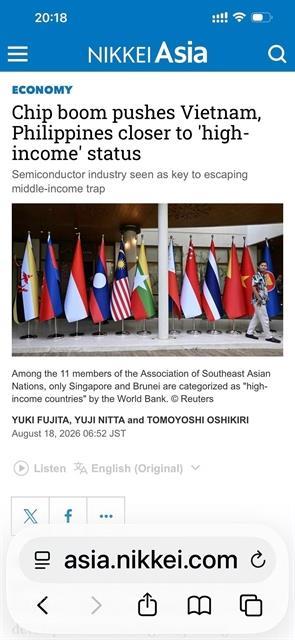
Việt Nam’s semiconductor industry offers the country an opportunity to shift from a growth model heavily reliant on low-cost labour and manufacturing toward more technology-intensive, higher value-added sectors, according to Nikkei Asia.
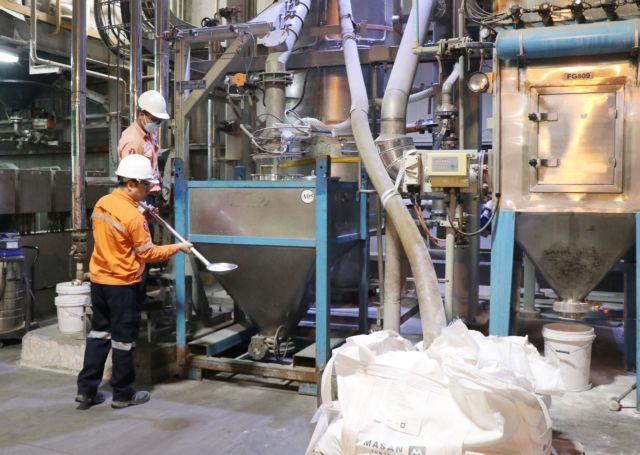
The materials industry forms the foundation of industrial development and is critical to strengthening strategic autonomy, national competitiveness and the ability to master core technologies.
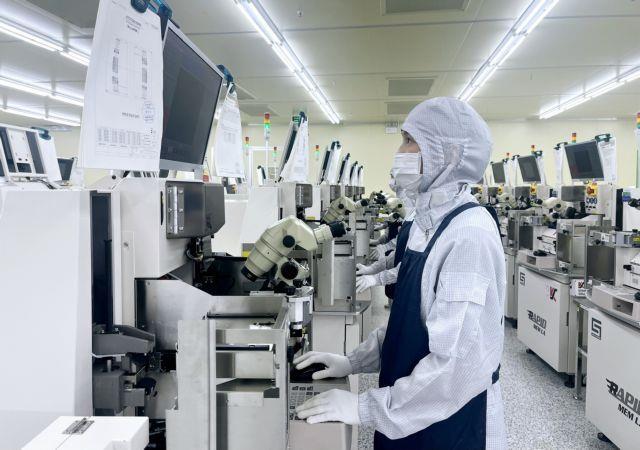
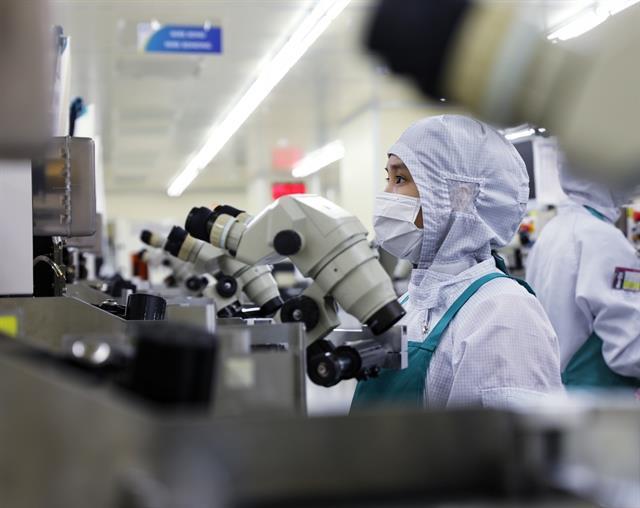
Through the issuance of a draft strategy for semiconductor industry development and its target of becoming a global OSAT hub by 2030, Việt Nam has identified semiconductors as a key national strategic industry.
The Việt Nam-US semiconductor partnership is therefore not simply a “golden opportunity” arising from geopolitical shifts, but also a long-term test of Việt Nam’s institutional reform and implementation capacity. If domestic capacity cannot keep pace, adjusting targets toward quality and...
Việt Nam has built a solid semiconductor and electronics industry before joining ITSI, attracting major US semiconductor companies. Intel Products Vietnam is one of Intel''s largest assembly and testing facilities worldwide, while chip design companies such as Synopsys, Cadence, Marvell...
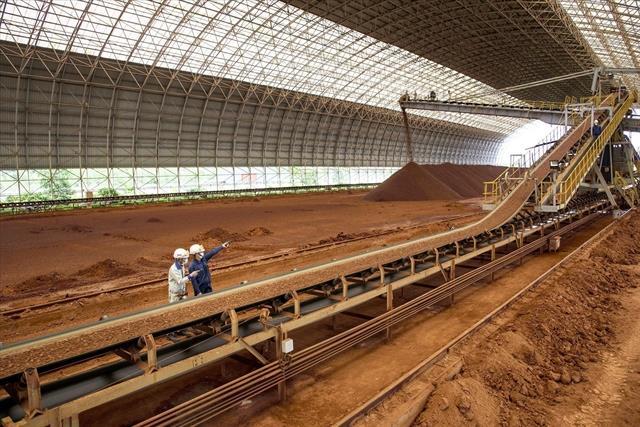
The Government is drafting a national strategy for the materials industry through 2030, seeking to shift the country''s competitive advantage from abundant natural resources to technological capability and high-value manufacturing.
These industries are strategically important to Việt Nam''s industrialisation and modernisation, as well as to strengthening domestic industrial capacity and the country''s participation in global value chains.
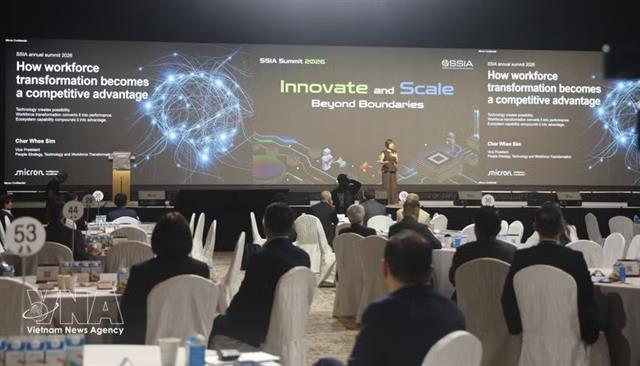
Việt Nam and Singapore have taken another step to strengthen semiconductor cooperation, with new partnerships focusing on investment, R&D and workforce development.
FPT Corporation has released a global study on how enterprises are scaling artificial intelligence (AI) and the challenges of moving beyond pilot projects.
To prepare for a new generation of FDI attraction in line with Resolution No. 10-NQ/TW on the development of the foreign-invested sector, the city is expanding its high-tech development space.
Construction of the Meiko Yên Quang Semiconductor Manufacturing Plant officially commenced on Thursday at Yên Quang Industrial Park in Thịnh Minh Commune, marking another major foreign investment project in the northern province of Phú Thọ.
The new facility builds on Qualcomm’s 2025 launch of an artificial intelligence R&D centre in Việt Nam and will operate as a broader innovation hub focused initially on artificial intelligence and system-on-chip (SoC) development, the company said.